
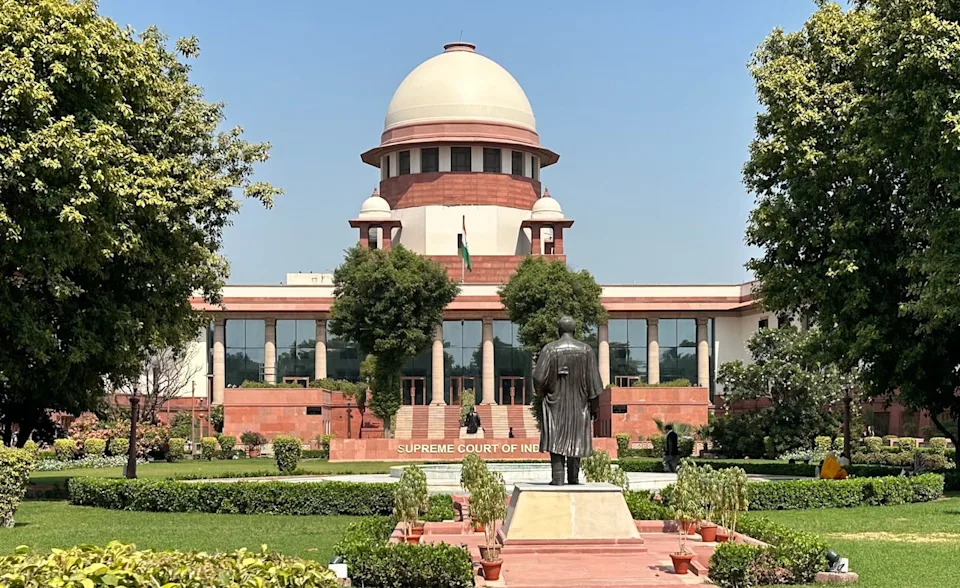
Supreme Court Petition Filed Against Release of Film ‘Yadav Ji Ki Love Story’
The recent petition filed before the Supreme Court of India seeking a stay on the release of the film ‘Yadav Ji Ki Love Story’ has drawn nationwide attention. The petition, filed by Advocate Makardhvaj Yadav, raises serious concerns about the film’s title, portrayal, and potential impact on social harmony. As public debates intensify around freedom of expression, community dignity, and responsible storytelling, this case highlights the delicate balance between creative liberty and social responsibility within India’s constitutional framework.
Background of the Petition
The petition was filed shortly before the scheduled nationwide release of the film. It contends that the film’s title and narrative could reinforce caste-based stereotypes and potentially disturb communal harmony. According to the plea, protests and representations were already made before district authorities by members of the Yadav community in various parts of the country, expressing concerns about the film’s portrayal.
The petitioner argues that the issue is not limited to an individual grievance but has broader societal implications. The use of a caste-identifying title, coupled with alleged misrepresentation in promotional material, could create misconceptions about an entire community in the minds of viewers. Such a portrayal, if insensitive or inaccurate, may lead to social tensions and public unrest.
Legal Grounds Raised in the Petition
-
Protection of Social Harmony
Under Articles 19(2) and 21 of the Constitution of India, reasonable restrictions can be imposed on freedom of speech and expression in the interest of public order and decency. The petitioner argues that the film’s content risks disturbing public peace and reinforcing harmful stereotypes.
-
Prevention of Defamation and Misrepresentation
If a film portrays a community in a derogatory or misleading manner, it may raise questions of defamation or community insult. The petition emphasizes that collective identity should not be used irresponsibly in creative works.
-
Public Order Concerns
The petition highlights ongoing protests and representations as evidence of potential law-and-order issues. Courts in India have, in past cases, considered public sentiment while deciding interim relief related to film releases.
-
Responsibility of Certification Authorities
The petition also questions whether due diligence was exercised during the certification process. It seeks judicial intervention to review the circumstances under which the film was cleared for release.
Freedom of Expression vs. Community Sensitivity
India’s legal system consistently upholds artistic freedom as a vital democratic value. However, courts have also emphasized that freedom of expression is not absolute. Films, books, and digital media must operate within constitutional boundaries.
The Supreme Court has historically taken a balanced approach in similar disputes, considering both artistic liberty and the risk of social disharmony. In multiple judgments, the Court has held that creative expression must not incite hatred, spread misinformation, or harm public order.
Social and Cultural Dimensions
The controversy surrounding ‘Yadav Ji Ki Love Story’ illustrates how cinema can intersect with identity politics. In a diverse country like India, cultural representation carries significant responsibility. Communities often view their depiction in films as reflective of their dignity and social standing.
If the concerns raised in the petition are substantiated, the case may set an important precedent regarding the use of caste-identifying titles and narratives in cinema. It could also encourage filmmakers to adopt more inclusive and sensitive storytelling practices.
Judicial Precedents in Film-Related Disputes
Indian courts have dealt with several petitions seeking bans or modifications of films. In many instances, courts have refused to stay releases unless there was clear evidence of legal violation. However, interim relief has been granted when public order concerns were credible and immediate.
The outcome of this petition will depend on the Court’s assessment of evidence, intent, certification process, and potential impact on society. The judiciary’s decision will also clarify the extent to which community dignity can be invoked in film-related disputes.
Implications for the Film Industry
This case highlights the importance of legal vetting during script development and marketing. Filmmakers are increasingly required to consider social sensitivities, cultural context, and legal compliance before release. Production houses may need to consult legal experts to avoid controversies that could lead to litigation or financial loss.
The petition also emphasizes the growing role of legal advocacy in protecting community interests. Lawyers representing social concerns are shaping public discourse around responsible storytelling.
Role of Legal Professionals in Socially Sensitive Cases
Advocates play a crucial role in bringing constitutional questions before the judiciary. By filing petitions in matters affecting public sentiment and social harmony, legal professionals help courts evaluate competing interests in a democratic society.
In this matter, the petition reflects an attempt to address perceived harm through lawful means. It demonstrates how constitutional remedies remain accessible for addressing concerns related to cultural dignity and public order.
Possible Outcomes of the Case
The Supreme Court may consider several options, including:
- Dismissing the petition if no legal violation is found
- Seeking clarification from filmmakers and certification authorities
- Directing modifications or disclaimers
- Granting an interim stay pending review
Whatever the outcome, the case will likely contribute to evolving jurisprudence on artistic freedom and community sensitivity.
Conclusion
The petition against ‘Yadav Ji Ki Love Story’ underscores the ongoing dialogue between creative freedom and social responsibility in India. While cinema remains a powerful medium of expression, it also carries the obligation to respect diversity and avoid reinforcing harmful stereotypes.
As the Supreme Court examines the matter, the decision will not only affect one film but also influence future content creation, legal accountability, and cultural representation in India. The case highlights the importance of thoughtful storytelling, robust legal scrutiny, and respect for community dignity within a constitutional democracy.
Sources
Based on publicly available media reports from SocialNews.xyz, BharatExpress, Amar Ujala, and other national news coverage related to the Supreme Court petition filed against the film “Yadav Ji Ki Love Story” (February 2026).