
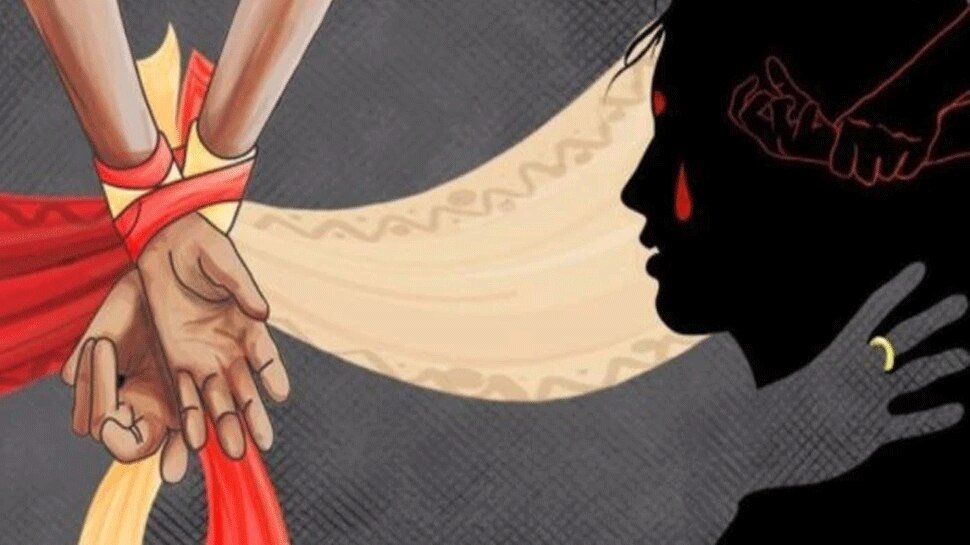
Marital rape remains one of the most debated issues in Indian law. While sexual assault outside marriage is a punishable offense under the Indian Penal Code (IPC), marital rape is not yet fully criminalized in India. This legal gap has sparked intense debate among lawmakers, activists, and the judiciary. Understanding the current legal status, challenges, and recent judgments is crucial for both legal professionals and the general public.
Current Legal Status
Under Section 375 of the IPC, rape is recognized as a criminal offense. However, the law includes an exception for sexual acts between a husband and wife, provided the wife is above the age of 18. This means that non-consensual sexual activity within marriage is not classified as rape under Indian law, although it may constitute domestic or sexual abuse.
Recent years have seen multiple petitions in the Supreme Court challenging this exception, emphasizing that marital consent is essential and that non-consensual acts constitute a violation of personal autonomy and fundamental rights.
Challenges in Legal Reform
-
Social and Cultural Resistance: Many argue that criminalizing marital rape may disrupt traditional marital frameworks.
-
Evidence and Proof: Cases of marital rape are inherently private, making evidence collection difficult.
-
Judicial Hesitation: Courts have historically been cautious in interfering in marital matters due to cultural and societal norms.
-
Awareness Gap: Many women are unaware of their rights, and law enforcement is often reluctant to intervene in domestic issues.
Despite these challenges, activists and women’s rights organizations continue to push for reforms aligned with constitutional principles of equality, autonomy, and protection from harm.
Recent Judgments & Legal Debates
Several High Courts and petitions before the Supreme Court have highlighted the need to reconsider the marital rape exception. Key points emphasized by recent legal debates include:
-
Consent is a continuous and fundamental right, even within marriage.
-
Non-consensual sexual acts may constitute sexual assault, domestic violence, or cruelty under Section 498A of the IPC.
-
Calls for comprehensive criminal law reforms to protect married women from sexual abuse.
While the Supreme Court has not yet criminalized marital rape nationally, legal scholars note that public discourse, petitions, and awareness campaigns are increasing pressure on the legislature.
Implications for Citizens
Understanding marital rape laws is essential for married individuals, legal professionals, and counselors. Key implications include:
-
Women have legal remedies under domestic violence laws, including protection orders and counseling.
-
Awareness of rights helps survivors access support services, legal advice, and emergency interventions.
-
Advocacy and public awareness campaigns are crucial in shaping social attitudes and eventual legislative reform.
The Road Ahead
Legal experts argue that criminalizing marital rape is necessary to uphold constitutional rights and gender justice. Key recommendations include:
-
Removing the exception in Section 375 of the IPC.
-
Strengthening support systems for survivors, including helplines, counseling, and shelters.
-
Educating law enforcement and judiciary about consent and marital autonomy.
-
Promoting public awareness campaigns to shift societal perception about spousal rights.
While the debate continues, the growing number of petitions and public discourse suggests that reform is increasingly likely in the coming years.
Conclusion
Marital rape remains a sensitive and complex legal issue in India. Current laws provide limited protection, but ongoing advocacy, court interventions, and societal debate are driving the push toward criminalization. Understanding the legal nuances, recent judgments, and social implications is essential for ensuring justice, gender equality, and protection for married women.
Professional guidance and awareness are critical for legal compliance, support for survivors, and effective navigation of India’s evolving laws on marital rape.