
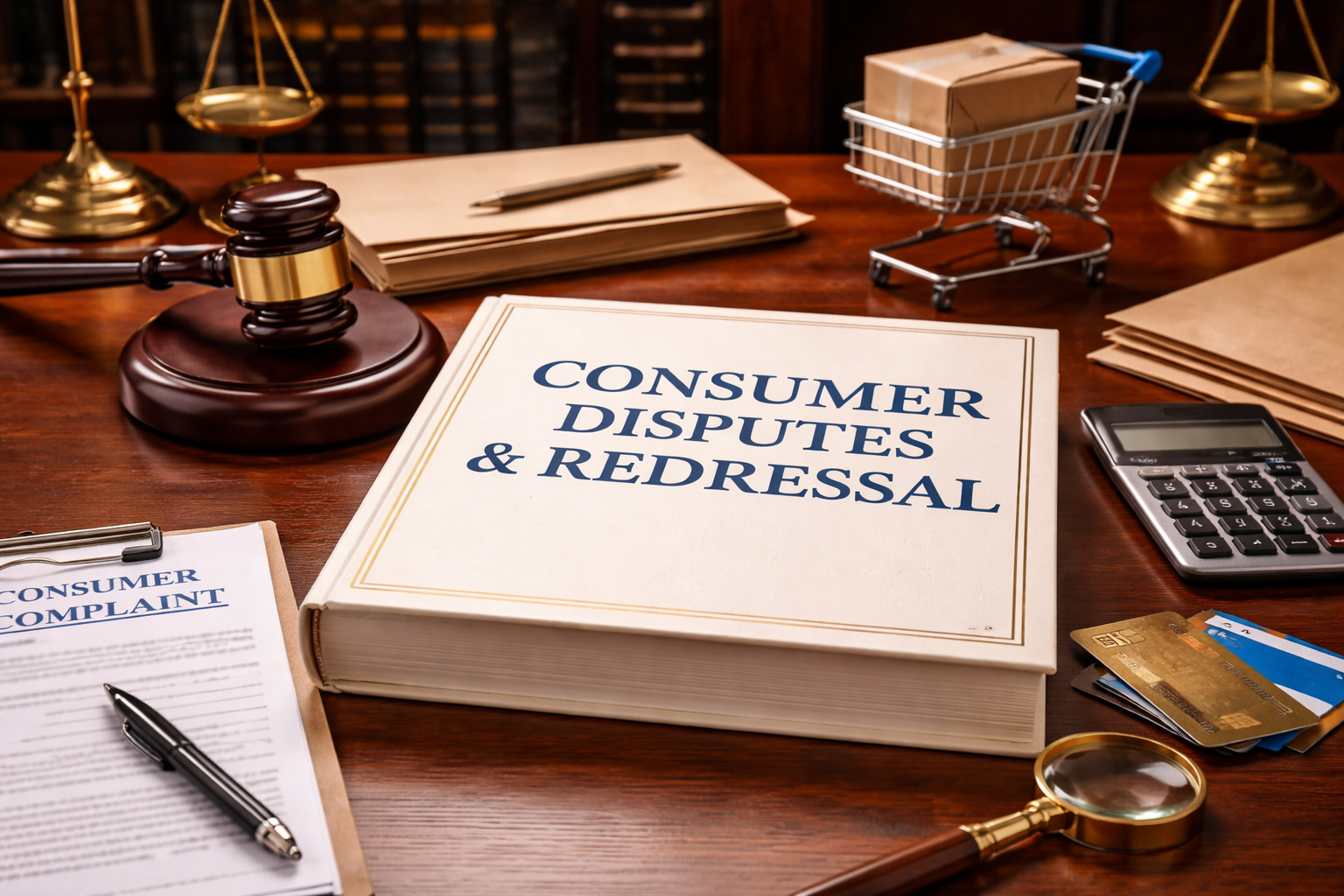
In today’s fast-paced marketplace, consumers face numerous challenges, from defective products to poor services. India has a robust consumer protection framework designed to safeguard consumer rights and ensure proper redressal of grievances. Filing a consumer complaint might seem daunting, but with proper guidance, you can navigate the process efficiently and legally.
Understanding Consumer Rights in India
Before filing a complaint, it is important to understand the rights granted to consumers under the Consumer Protection Act, 2019:
- Right to Safety: Protection against goods and services that are hazardous to life or health.
- Right to Information: Consumers have the right to know about the quality, quantity, and price of products.
- Right to Choose: Freedom to select goods and services at competitive prices.
- Right to be Heard: Consumers can voice complaints and grievances regarding unfair practices.
- Right to Seek Redressal: Legal provision to claim compensation for defective goods or deficient services.
- Right to Consumer Education: Awareness programs and knowledge to make informed choices.
Understanding these rights is the first step toward effective consumer grievance management.
Common Consumer Complaints in India
Consumers file complaints for various issues, including:
- Defective or substandard products
- Poor quality services or delays
- Overcharging or unfair pricing
- False advertising or misleading claims
- Negligence by service providers or sellers
- Online transaction disputes
The law ensures that any unfair trade practice or deficiency in service can be addressed legally through consumer courts.
Step 1: Attempt Resolution with the Seller or Service Provider
Before approaching a consumer forum, it is recommended to resolve the issue directly with the seller or service provider:
- Contact the company via email, phone, or official complaint channels.
- Clearly explain the issue with relevant documents (receipts, invoices, warranties).
- Keep records of all communications.
Most complaints are resolved at this stage, saving time and effort.
Step 2: Identify the Appropriate Consumer Forum
India has a three-tier consumer dispute redressal system:
- District Consumer Disputes Redressal Commission: For complaints where the claim is up to ₹1 crore.
- State Consumer Disputes Redressal Commission: For claims between ₹1 crore and ₹10 crores.
- National Consumer Disputes Redressal Commission (NCDRC): For claims exceeding ₹10 crores or appeals from state commissions.
Choose the forum based on the monetary value of your claim. Filing in the correct forum is essential for legal compliance.
Step 3: Draft a Consumer Complaint
A consumer complaint should include the following details:
- Complainant Information: Name, address, and contact details.
- Respondent Details: Name and address of the seller, service provider, or company.
- Facts of the Case: Date of purchase, nature of goods/services, and the issue faced.
- Documents: Receipts, invoices, warranty cards, emails, or any proof supporting your claim.
- Relief Sought: Compensation, replacement, refund, or other remedies.
Ensure your complaint is clear, concise, and factually accurate. Legal experts often recommend drafting the complaint in a formal tone and including all evidence.
Step 4: Filing the Complaint
The complaint can be filed online or physically at the relevant consumer forum:
- Online Filing: Use the e-filing portal of the Ministry of Consumer Affairs.
- Physical Filing: Submit the complaint at the district or state commission office with necessary copies of documents.
- Fee Payment: Pay the prescribed fee based on the value of the claim, which varies across forums.
Once filed, the complaint receives a case number, and the forum sends a notice to the respondent for response.
Step 5: Legal Proceedings
After filing, the consumer forum follows a structured legal process:
- Notice to Respondent: The company must respond within the stipulated time.
- Hearing: Both parties present arguments, evidence, and witnesses.
- Mediation or Settlement: Many forums encourage settlement between parties through conciliation.
- Judgment: The forum passes an order based on evidence, facts, and legal provisions.
Consumer forums aim to provide speedy and inexpensive justice. Most cases are resolved within a few months, depending on complexity.
Step 6: Appeal Process
If you are dissatisfied with the forum’s order, you can appeal:
- From District Commission: Appeal to State Commission within 30 days.
- From State Commission: Appeal to NCDRC within 30 days.
- From NCDRC: Appeal to the Supreme Court of India under special circumstances.
Appeals ensure that consumers have multiple opportunities to seek justice while maintaining transparency in the process.
Tips for a Successful Consumer Complaint
- Keep Documentation: Receipts, emails, and correspondence are critical evidence.
- Be Specific: Clearly mention the defect or deficiency in service.
- Follow Deadlines: Submit complaints and appeals within prescribed timeframes.
- Seek Expert Advice: Consulting a consumer law lawyer can strengthen your case.
- Stay Professional: Maintain a polite and factual approach in all interactions.
Conclusion
Filing a consumer complaint in India is a legal right protected under the Consumer Protection Act, 2019. By following a structured process, maintaining proper documentation, and seeking professional guidance, consumers can effectively resolve disputes and claim justice. Awareness of your rights and understanding the redressal system empowers you to fight unfair practices confidently.
India’s consumer law framework ensures that every buyer has access to fair and speedy remedies, promoting trust in commerce and protecting consumer interests across the country.