
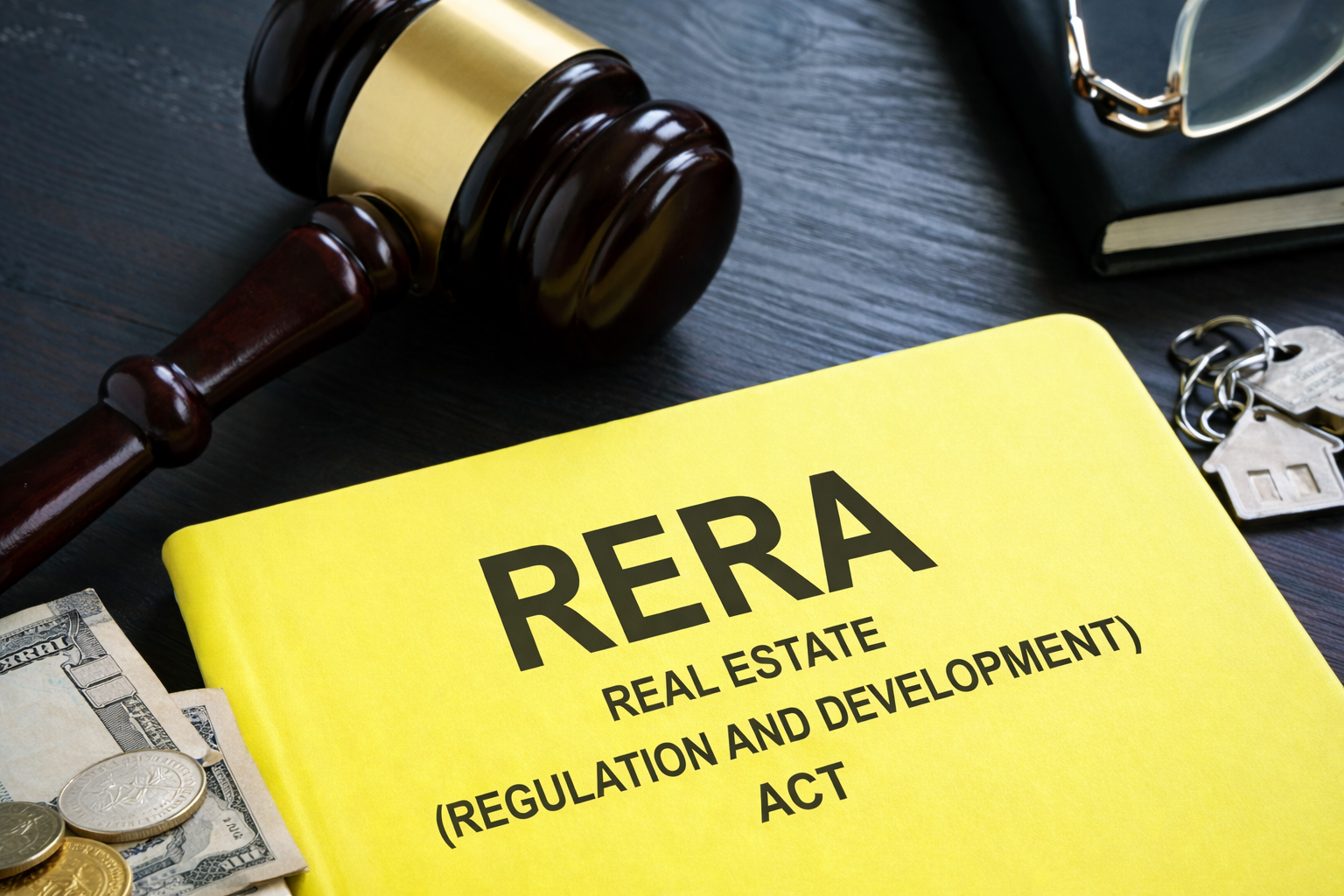
RERA Law Essentials: Rights, Duties & Compliance
The Real Estate (Regulation and Development) Act, 2016 (RERA) was enacted to bring transparency, accountability, and fairness to the real estate sector in India. RERA protects the interests of homebuyers while ensuring that developers and real estate agents operate within a regulated and compliant framework.
Rights of Homebuyers Under RERA
RERA grants significant rights to homebuyers, including the right to receive accurate project information, approved plans, and timely possession of property. Buyers are entitled to claim compensation for delays, structural defects, or false representations by developers. RERA also allows allottees to seek refunds with interest in cases of non-compliance or project abandonment.
Duties and Obligations of Developers
Developers are required to register projects with the respective State RERA authority before advertising or selling. They must disclose project details, timelines, approvals, and financial information on the RERA portal. Importantly, developers must deposit a specified percentage of project funds into a separate account to prevent fund diversion and ensure timely completion.
Compliance by Real Estate Agents
Real estate agents must also register under RERA and adhere to ethical practices. They are prohibited from facilitating the sale of unregistered projects and must provide accurate information to buyers. Non-compliance may result in penalties, suspension, or cancellation of registration.
Legal Remedies and Enforcement
RERA establishes dedicated authorities and appellate tribunals for speedy dispute resolution. Aggrieved buyers can file complaints for delays, defects, or unfair practices. Strict penalties, including fines and imprisonment, act as deterrents against violations.
In essence, RERA strengthens confidence in the real estate sector by balancing rights, duties, and compliance, ensuring a transparent and accountable real estate ecosystem.